Sleeping Cat on Book Embroidery Design Review
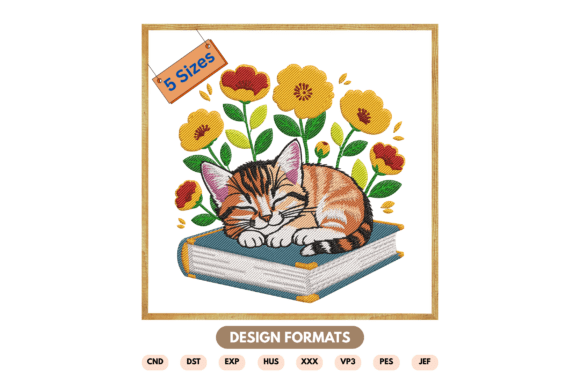
As an experienced embroidery designer and product reviewer, I often find myself evaluating machine embroidery designs not just for their visual appeal, but for how they translate into real-world applications. The Sleeping Cat on Book Embroidery Design caught my attention with its soft, cozy aesthetic and the charm of a tabby kitten nestled among books and flowers. Let’s break down what makes this design a solid choice for certain projects—and where it might need some careful handling.
A Cozy First Impression
Right out of the gate, the Sleeping Cat on Book design feels like a gentle nod to childhood comfort zones—think storybooks, soft blankets, and quiet afternoons. The layout is balanced, with the cat positioned centrally, creating a natural focal point. The blooming flowers around the stack of books add a subtle flourish without overwhelming the composition.
Visually, the design has a warm and inviting personality. It’s detailed enough to feel handcrafted yet structured in a way that should stitch cleanly on most standard embroidery machines. This makes it ideal for handmade products or personalized gifts where a touch of whimsy and elegance are appreciated.
Best Suited For?
I immediately thought of using this design on a custom sweatshirt or tote bag for a boutique line aimed at book lovers and pet enthusiasts. Its theme naturally fits into lifestyle items like book-themed apparel, nursery décor, or even holiday gifts. The presence of books gives it a slightly intellectual vibe, while the cat adds cuteness—perfect for appealing to a wide audience.
Real-World Performance
When considering how this design will perform in actual embroidery work, several factors come into play. The stitch density appears moderate, which means it should hold up well on medium-weight fabrics without puckering too much. However, because of the detailed floral elements and the cat’s facial features, there are areas that may require extra care during stitching.
For custom apparel such as sweatshirts or t-shirts, the design could be placed on the chest or back depending on size. On a tote bag, especially one made from cotton or canvas, it would look great as a central motif. The thread colors used in the design are likely soft pastels or muted tones, which could complement both light and dark fabric backgrounds—but you’ll want to confirm this before purchasing the digital file.
If you're an Etsy seller or run a small shop, this design could be a hit when applied to baby clothes or aprons. Its peaceful nature makes it suitable for nursery decor or children’s room accents. Imagine a pillow cover with this scene stitched in satin and fill stitches—it could become a signature item in your collection of handmade products.
Where to Use With Caution
While the embroidery file looks promising, there are specific use cases where adjustments might be necessary. For example, if you plan to embroider on a cap or hat, the curved surface and limited hoop space could challenge the design’s proportions. You’ll need to check whether the original file includes resizing options or curved surface compatibility.
Similarly, when working with textured fabrics like flannel or denim, the fine details in the cat’s fur or the flower petals might not stitch as clearly. In these cases, testing the design on scrap material is essential to ensure the final product still retains its charm and clarity.
The design also contains dense stitch areas, particularly in the kitten’s body and the background of the books. If you’re planning to embroider on a thin or stretchy fabric, such as jersey knit, you may need to adjust the stitch density or consider adding more stabilizer to prevent distortion or tearing.
Additionally, if you're thinking about using it for applique designs or decorative accents, keep in mind that the current layout is more suited to full embroidery rather than layered techniques. That said, with the right tools and settings, it can still work beautifully as part of a larger project.
Design Impact and Customer Appeal
This design has strong visual appeal, especially for those who appreciate cute animals and literary themes. As a personalized gift, it brings a sense of warmth and nostalgia that customers respond to positively. The stitched result should maintain the same level of charm as the digital preview, assuming proper preparation and execution.
In terms of product value, incorporating this design into a handmade item can elevate its perceived worth. Customers often associate intricate and thematic embroidery with quality and care, which can boost customer trust and buyer engagement. It’s the kind of design that makes people pause and admire the craftsmanship.
From a branding perspective, it’s a good fit for small shop products or boutique lines that focus on cozy, animal-friendly themes. Whether you're a craft business owner or a creative entrepreneur, this design can help reinforce a consistent, comforting brand identity across multiple design assets.
Professional Presentation and Giftability
One of the standout qualities of this design is how it enhances the handmade presentation of any item. When stitched neatly, it can transform a simple tote or sweatshirt into a meaningful keepsake. For holiday gifts, this design is a safe bet—it’s not too seasonal but carries enough festive cheer through its cheerful visuals.
However, don’t expect it to be universally adaptable. Because of its character-centric layout, it won’t always scale well for smaller items like keychains or tiny patches. But as a tote bag design or sweatshirt embroidery, it shines.
Designer Notes for Practical Use
- Test first: Always stitch a sample on scrap fabric to assess how thread colors interact with different materials and how the design holds up under tension.
- Check thread contrast: Ensure the thread colors in the design stand out against your chosen fabric. A black-and-white mockup can help you evaluate visibility before committing.
- Review stitch density: Dense stitch areas may require thin washable stabilizer, especially for items that will be washed frequently, like tea towels or baby clothes.
- Confirm hoop size: Depending on your machine, you may need to adjust the design to fit within available hoop sizes. Look for versioned files (if available) or resize carefully to avoid stretching or distorting key elements.
- Inspect small details: Pay close attention to the kitten’s face and the delicate flower petals. These elements may need reinforcement or adjustment for optimal results on textured or curved surfaces.
- Use printable mockups: If you’re selling digital embroidery files, provide clear printable mockups so buyers understand how the design will appear on their finished product.
- Verify licensing: Before using this design for commercial purposes, make sure the license allows resale of the finished product or redistribution of the file. Many designers sell personal-use-only files unless otherwise stated.
Final Thoughts for Makers and Sellers
The Sleeping Cat on Book Embroidery Design is a versatile and emotionally resonant addition to your embroidery toolkit. It works best on flat, stable surfaces and mid-to-large sized items where the details have room to breathe. While it’s not perfect for every situation, it's a reliable choice for many embroidery projects that aim to convey comfort, creativity, and charm.
For hobbyists, this design offers a satisfying challenge with its mix of fill stitch and running stitch elements. For apparel decorators and commercial embroidery businesses, it provides a ready-made solution for customer orders involving cats or book-related themes.
Remember, the success of any machine embroidery design depends on thoughtful setup and testing. With the right approach, this design can become a staple in your handmade shop or a cherished detail in a personalized gift. Just be sure to take the time to evaluate its suitability for each intended application—because in the world of embroidery, the little things matter the most.