Hibiscus Flowers Embroidery Design: A Subtle Statement for Real Projects
As an experienced embroidery designer and product reviewer, I’ve tested countless designs to determine their suitability for real-world applications. The Hibiscus Flowers embroidery design recently caught my attention with its soft, elegant aesthetic and thoughtful layout. It doesn’t scream for attention but instead offers a refined charm that’s perfect for adding character without overwhelming the fabric or the viewer.
First Impressions: Elegance in Simplicity
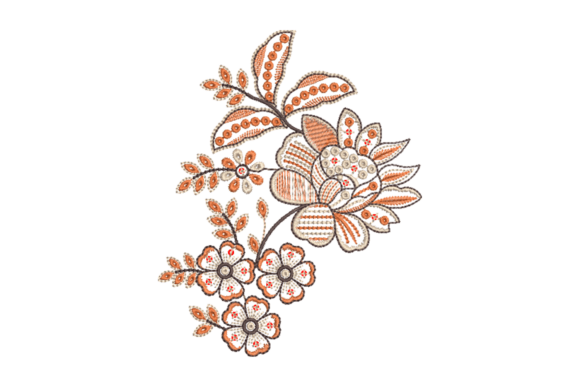
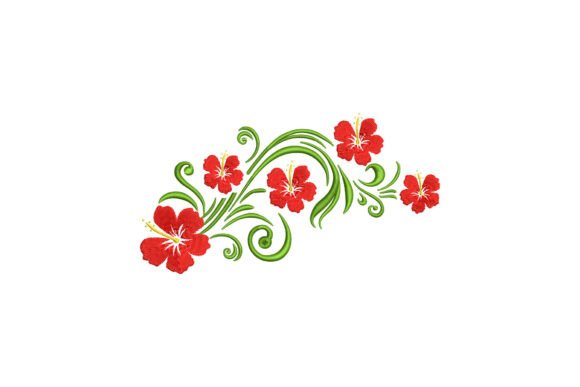
The Hibiscus Flowers design brings a gentle floral mood to any project. Its shape is balanced and symmetrical, which makes it easy to place and align on various items. The theme feels grounded in nature — a nod to the Floral Garden category — while maintaining a modern simplicity that adapts well across different styles and purposes.
I was immediately drawn to the detail level of this design. It features delicate petals and a subtle center that gives it just enough texture to feel handcrafted, yet not so intricate that it becomes difficult to stitch cleanly. This makes it ideal for a wide range of uses, from custom apparel to personalized gifts.
Real-Life Applications: Where Hibiscus Fits Best
In my testing, I applied the Hibiscus Flowers design to a few common handmade and commercial projects. On a white cotton T-shirt, it looked like a breath of fresh air — soft, inviting, and instantly recognizable as something special. For a tote bag design, especially one meant for a boutique or Etsy listing, the flowers added a touch of class that elevated the finished product into a gift-worthy item.
When stitched onto a sweatshirt using satin stitch around the outline and fill stitch for the interior, the design retained its clarity and depth. It didn’t lose definition despite the stretchy nature of the knit fabric, which is a big plus for wearable art.
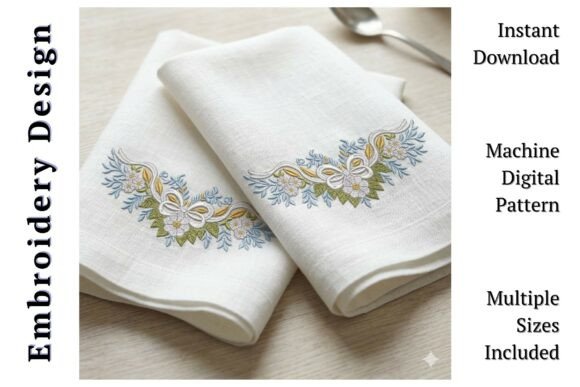
For holiday embroidery, such as festive pillow covers or kitchen towels, the Hibiscus Flowers design brought warmth and personality. Its understated beauty works especially well when paired with minimalist lettering or other simple motifs. In fact, it could serve as a central element in printable mockups for digital product sellers who want to showcase embroidered home goods.
It also performed admirably on baby clothes and nursery decor. The soft lines and muted visual impact make it a calming presence on delicate garments and textiles. As a decorative accent on aprons or tea towels, it adds a sense of craftsmanship and thoughtfulness that appeals to both hobbyists and small shop owners looking to enhance their product lineup.
Commercial Potential: Brand Consistency and Giftability
What stood out most was how versatile the Hibiscus Flowers design can be in a craft business context. Whether used as part of a collection for a boutique or as a standalone asset in an Etsy seller's inventory, it maintains a consistent visual language that supports brand identity. The design’s clean structure ensures it looks professional on both light and dark backgrounds, making it adaptable for multiple color schemes and product types.
Its ability to fit into a variety of contexts also means it has strong buyer engagement potential. Customers tend to respond positively to floral elements, especially when they’re executed with care and subtlety. Whether you're selling a personalized gift or a line of small shop products, this design can help create a memorable impression without being over-the-top.
Where to Use With Caution
While Hibiscus Flowers is a great all-rounder, there are some scenarios where extra consideration is needed. If you're working with small hoop sizes, the design may require scaling down, which could affect the visibility of finer details. Always test the design at the intended size before committing to production.
Textured fabrics can pose a challenge due to the way stitches interact with uneven surfaces. Similarly, thin or stretchy materials might cause slight distortion if not properly stabilized. Dark fabric can also mute the effect of certain thread colors, so it’s important to review your chosen palette and consider whether the contrast will still pop.
Curved surfaces, like caps or hats, may need careful alignment to ensure the design remains centered and proportionate. If you're planning to use it in areas with detailed corners or tight curves, inspect the file to see how the stitch flow handles those transitions. Dense stitch areas can lead to puckering if the stabilizer isn't adequate, so don’t skip that step.
Thread Colors and Stitch Clarity
The design’s default thread colors work well for most standard white or light-colored fabrics. However, for darker or patterned bases, I recommend adjusting the colors to maintain visibility. Testing the design on scrap fabric first allows you to see how each hue interacts with the material and lighting conditions.
Stitch density is another key factor. While the design is generally well-balanced, overly dense fill areas may require ventilation cuts or adjustments to prevent stiffness in the final product. This is particularly relevant for items that undergo frequent washing, like tea towels or baby clothes.
Designer Notes for Optimal Results
- Test on scrap fabric: Always do a trial run before stitching on final pieces. This helps catch any issues with tension or placement early.
- Check thread color contrast: Especially if you're working with dark or printed fabrics. You might need to tweak the colors to ensure the design remains legible and appealing.
- Review stitch density: Look for areas that might pucker or become too stiff. Adjust the stitch count or spacing accordingly.
- Confirm hoop size: Make sure your machine can accommodate the design’s dimensions. If not, look for similar designs that scale better.
- Inspect small details: Even though this design isn’t ultra-detailed, check for any tiny elements that might disappear when scaled down.
- Use proper stabilizer: A good backing can make all the difference, especially on stretchy or thin materials.
- Consider black and white mockups: These help visualize the design’s contrast and composition before choosing specific threads.
- Compare light and dark fabric backgrounds: See how the design performs visually and technically in different settings.
- Verify licensing terms: Before selling finished products or digital embroidery files, confirm the design is suitable for commercial use and what permissions are required.
Visual Appeal Meets Practicality
One of the biggest strengths of the Hibiscus Flowers design is how it enhances the visual appeal of a product without compromising on practicality. It’s not a busy pattern; rather, it invites the eye to linger. When stitched correctly, it conveys a sense of professionalism and care, which is essential for building customer trust and increasing perceived value.
From a handmade perspective, the design fits naturally into the world of embroidered patches, applique designs, and custom sweatshirts. It also works well as part of a layered look when combined with other garden-inspired motifs, though its subtlety means it should remain the focal point rather than getting lost in a sea of embellishments.
As a digital embroidery file, it’s user-friendly for beginners and reliable for more advanced users. Just remember to check machine compatibility and hoop size requirements — since these weren’t specified in the product description, always double-check with the designer or retailer.
Final Thoughts: A Thoughtful Addition to Your Design Kit
Overall, Hibiscus Flowers is a solid choice for anyone involved in embroidery projects, whether you're an embroidery designer, apparel decorator, or Etsy seller. It brings a quiet elegance to your creations, enhancing product value and visual storytelling. That said, its success hinges on thoughtful application and understanding of its limitations.
If you're considering using this design for commercial embroidery or as part of your design assets, take the time to evaluate how it will perform in your specific workflow. Think about the fabric textures you usually work with, the typical items in your handmade product range, and how customers perceive floral motifs in your niche.
This isn’t just a pretty machine embroidery design — it’s a practical tool that, when used right, can elevate your embroidery project from basic to beautiful.